
Setting Up a Bistro - How to Get Started
Are you thinking of opening a bistro? It's becoming an increasingly popular alternative to starting a restaurant due to its flexibility and adaptability, and it will certainly allow you to unleash your creative side.
However, when you're opening a small business, there are so many things to consider from financing and location to branding and marketing. Planning a bistro is no different - it's difficult to even know where to begin. That's why we've put together this starter guide, to help you turn your bistro concept into a reality.

What is a Bistro?
Blossoming in France, the idea of bistros was born from a desire to enjoy cheaper meals in a more relaxed environment compared to restaurants.
Bistros were small places with very limited menu options that would often change on a daily or weekly basis. These menus were built around simple, easy-to-prepare homestyle food.
Another thing that distinguishes a bistro from its restaurant counterpart is that the food being served is often varied and not tied to a specific culture or style. It's also generally more affordable and the overall atmosphere is somewhat less formal.
Why Choose a Bistro Over a Restaurant?
There are a number of reasons why you might want to consider opening a bistro instead of a restaurant. Maybe you like the flexible and varied nature of bistro food, or perhaps you simply prefer the informal atmosphere. Here are some of the main benefits of setting up a bistro:
Flexible Menus and Food Variety
While most restaurants specialise in a specific type of cuisine, a bistro does not have to exist under the same limitations. This means you can offer a variety of food and drinks, ensuring that your bistro meals can be served regardless of the season - or the time of the day.
This flexibility also extends to bistro menu offerings, which can change throughout the year to reflect both seasonality and customer demand.
Opening Hours
Traditional restaurants are usually only open in the afternoon and evening, predominantly for serving main meals and dinners. This means that restaurant owners have to make all their profits within one particular time slot.
Bistros, however, are far more casual and are usually open all day. It gives you the opportunity to serve breakfast, lunch and dinner - and maybe even a light snack between meal times.
Informal Atmosphere
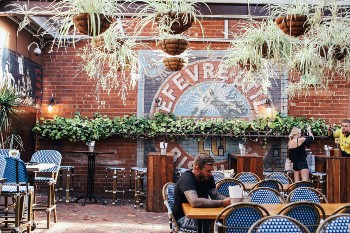
When was the last time you went to a restaurant by yourself? There seems to be a stigma associated with dining alone and, as a result, most restaurant guests will dine with at least one other person.
This stigma does not apply to bistros, and it is not uncommon to see customers dining alone - reading the paper, surfing the internet on their phones or just watching the world go by as they chow down a burger or snack on a muffin with their coffee.
This less formal approach to eating means higher foot traffic, quicker customer turnover and, of course, higher profits for your business.
Price and Availability
Not only are bistros generally cheaper than restaurants, the type of food being served usually means customers are in and out quicker too.
This faster turnover, combined with longer opening hours, means that the new social distancing restrictions brought on by COVID-19 are often a little easier for bistro owners to manage, compared to if you were running a restaurant.
The cheaper price point on food is also a great draw for people passing by, as well as those locals who will soon become regulars.
Ease of Restructuring for Special Occasions
The smaller scale and more informal setting of a bistro makes it far easier to rearrange your seating plan, if you need to.
It doesn't matter whether your seating is mostly indoors, or if you have the advantage of an outdoor alfresco dining area - larger bookings of 10 or more people are far easier to manage with the flexibility afforded by the bistro layout, compared to the structure usually reserved for restaurant seating.
Accommodating an impromptu birthday celebration, or any other special celebration, at short notice is the type of gesture that can turn first-time visitors into returning customers.
TIP: Creating an outdoor dining area can transform your business. This guide to alfresco dining features expert tips and advice on how to make the most of your pavements, deckings, terraces and more.


Setting Up a Bistro in 8 Simple Steps

1) Choose a Bistro Concept and Brand
With a restaurant, the concept and brand go a long way to shaping the type of cuisine being served and the overall atmosphere of the establishment.
However, the concept or branding you choose for your bistro is more about ensuring it resonates with the location and the customer base in and around the area.
Questions to ask yourself when making this decision include:
- What type of cafes and bistros do I currently like visiting myself?
- What type of neighbourhood is this?
- Who are the current patrons of my favourite eateries?
2) Create Your Menu
Again, this is something that can change to match the seasons and/or customer demand. But you obviously need a menu to get the ball rolling and establish your new bistro within the neighbourhood.
This is where it helps to do some market research - discretely or otherwise. Visit other cafes, bistros and eateries in the area and see what their guests are eating - ask what the most popular dishes are for breakfast, lunch and dinner and be sure to include something similar on your own menu.
However, never stray from your own brand ideas or passion - because that's what essentially will help you stand out from the crowd and establish your bistro as the place to go for snacks, coffee, breakfast, lunch and, of course, dinner.
This guide to Planning a Seasonal Menu will help you get started with some ideas.
3) Write a Business Plan and Obtain Funding
How much does it cost to open a bistro? There are many factors that need to be taken into account when looking at financial outlays.
For example, should you buy or lease the commercial space? Does the space require renovating to meet your needs, or can you work with and around what is already in place? Will you need new equipment?
4) Choose a Location and Lease a Commercial Space
Finding a location is one of the most important, and often exhausting, parts of the process when setting up a new bistro. There are a few important things that need to be taken into account. These include, but are certainly not limited to:
- Foot Traffic and Target Audience: Like a cafe, a bistro often caters to people who are just walking by or who travel past the location on a regular basis. It's important to try and choose a location that is a major thoroughfare, or is close to public transport and/or other shops. It also needs to fit in with the concept/brand of your new bistro. Does your concept cater to people who are on their way to work, or those who are meeting friends in the middle of the day? Use your concept to identify your target audience. Then determine if your location fits that audience.
- Visibility: It goes without saying that you want to choose a location that is easily seen by people walking and driving by. While a little lane may be a quaint location, it will mean you have to put a lot more effort into marketing your bistro in order to spread the word about it.
- Accessibility: Accessibility is important for two reasons. First, you want the location easily accessible from the road with enough parking and clear walkways. Second, you need to meet disabled accessibility requirements. A quick online search will show you all the commercial leasing opportunities in your area.
5) Obtain Any Applicable Permits and Licenses
There are a few important permits and licenses that you will need to obtain before starting your new bistro. These include:
- Food Business License
- RSA License to Serve Alcohol (if applicable)
- Food Service License
- Food Safety License (or at least a qualified supervisor)
6) Design Your Layout and Space

When it comes to designing the layout and space for your bistro, you are often restricted by what is already in place.
That being said, you have total control over the existing dining spaces, both indoors and outdoors, as well as the decor and furniture you will be placing in these spaces.
Ask yourself: What sort of dining options are available on your menu and does the space accommodate them? Is there space to sit alone as well as in larger groups? Will you allow pets to be present and is there adequate space for them to sit quietly at/under the tables as their owners enjoy a coffee or a light snack?
When designing your indoor and alfresco dining areas, just remember that, while it needs to stay in keeping with the overall concept of your bistro, it also has to be comfortable and inviting for your guests.
So you've considered your outdoor and indoor dining spaces, but what about the kitchen area? If you are lucky enough that you have the ability to change the layout of the kitchen, we recommend reading this guide on How to Maximise Your Commercial Kitchen Space for ideas and inspiration.
7) Find an Equipment and Food Supplier
Finding the right equipment matters! It's essential to choose commercial equipment that's designed to cope with the demands of everyday use in a professional kitchen. This guide to Buying vs Leasing Kitchen Equipment will help you assess your options.
8) Hire the Right Staff
Your staff will be the face of your new bistro, and will help to give it the personality required to stand apart from the competition. But personality is nothing without the right training and experience - so make sure your recruitment is well planned, and you get the right people for your bistro the first time around.
Health and Hygiene in the COVID-19 Age
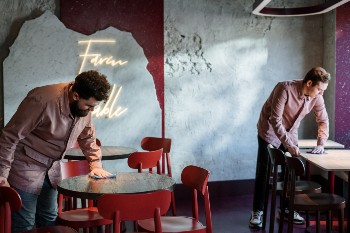
Customers in the COVID-19 age are more aware than ever of hygiene, health and safety. This means there is an added responsibility for those in the catering industry to inspire greater confidence and comfort for their guests.
As a result, there are certain considerations that need to be taken into account when setting up your bistro - for example, you need a layout plan that can be adapted for social distancing, and hand sanitiser stations for both staff and customers.
Creative Social Distancing Measures
With COVID-19 social distancing restrictions impacting how many customers can be seated inside your new bistro, creative measures need to be taken to ensure the safety and wellbeing of your guests whilst ensuring that atmosphere and overall profits are not impacted by the empty space left over.
Some of the things you can do to ensure that social distancing measures are adhered to while maintaining both profits and atmosphere is to fill the empty spaces with plants or artwork.
Choosing something that blends with the overall theme and feel of your bistro will not only improve aesthetics, it will also serve as a screen between tables and provide a more intimate dining experience for your guests.
Some restaurants and bistros have used these social distancing requirements to have a little fun, using stuffed animals or mannequins to ensure patrons sit the required distance apart. If this idea fits in with the concept of your bistro, then this might be something you could consider doing as well.
Another way to maintain distance without sacrificing table availability is to utilise any outdoor areas (assuming this is an option for your new bistro).
It's likely diners will be even happier to eat outdoors in a post-COVID-19 world, and maintaining your establishment's ambience is easy with the huge array of furniture options available to bistro and restaurant owners.
Always Remember...
It's easy to get bogged down in the fine details when it comes to setting up a new bistro business, but you must always ensure the passion that took you down this path in the first place is not dampened!
You started this bistro idea for a reason and, while the business side of things should always be a priority, the spark that is driving this idea from conception to completion is what will set you apart from the competition. Good luck in your new venture. Service please!