
The Move to Alfresco Dining
For many hospitality venues across New Zealand, 2020 has been the hardest year they've ever experienced. It's been almost 12 solid months of hell – lost profits, lockdowns, closures, curfews, pivoting takeaway menus and a load of new cleaning rules and regulations to abide by.
However, as Covid-19 restrictions begin to ease, there is light at the end of the tunnel. The restaurant and bar service industry is slowly reopening, and finding new ways to make things work.
In an attempt to help hospitality venues make up for lost time and boost those crumbling bottom lines, governments and councils are introducing new measures so businesses can make full use of their outdoor furniture in what's being dubbed the 'alfresco revolution'.
What Is Alfresco Dining?
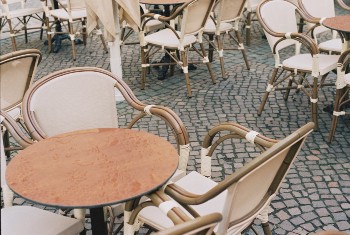
Alfresco dining means eating outside. Derived from the Italian phrase 'al fresco' meaning 'in the fresh (air)', it's a term used to describe casual dining in open air settings such as pavements, deckings, terraces or gardens.
What Alfresco Dining Regulations Should I Be Aware Of?
Changes in regulations for outdoor dining will be a huge help to the hospitality industry. By increasing the amount of space available to customers, particularly with social distancing in mind, it's a chance to maximise a venue's profits while reassuring guests to keep them feeling safe.
As an owner looking to reopen your premises after the Covid-19 lockdown, setting up an outdoor bar or restaurant space can attract more customers back to your business. According to Superior Shade’s Jeff Caldwell, alfresco seating can bump revenues by 30%.
Designing and creating an outdoor dining setting can be a wise investment, even in a post-Covid 19 world. Eating outdoors is expected to become a permanent feature of cityscapes for generations to come, and there's so much potential - alfresco areas can be set up anywhere from sidewalks and streets to poolside and parking lots, as well as under tents and canopies.
This festive season in particular is expected to be marked by less spending and traveling, with a heightened focus instead on exploring local attractions like a nearby pub, cafe or restaurant. After all, enjoying brunch with mates, having a wine after work, or grabbing a quick snack and watching the time pass by are some of the best New Zealand urban life moments.
While this is an opportunity to kickstart your business, be sure to check with your local authority about alfresco rules and permits before you create an outdoor dining area. These are some of the important questions you should ask:
- Can you make your outdoor patio dog-friendly?
- Would smoking be allowed?
- Would it be okay for you to serve alcohol and offer guests BYOB service?
- Are there extra permits you require for electricity and plumbing in your alfresco dining area?
- Are there any noise restrictions in your area?
State governments have facilitated the faster application for permits to quickly set up tall tables and chairs outdoors on footpaths or in side-street car parks, or to operate in numerous nominated pop-up bistro precincts.
TIP: Social distancing guidelines and outdoor dining regulations are constantly changing. Always check with your local government to find out the very latest legislation in your area before planning your alfresco switch.
What Outdoor Dining Furniture Do I Need?
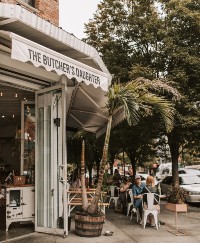
Many business owners considering the alfresco switch may not have the necessary equipment such as waterproof tables, chairs and even umbrellas, so it's important to choose outdoor dining furniture that best suits your needs.
Will you need to pack your furniture away at the end of each shift? If so, folding furniture will take up the least amount of storage space. Many chairs are also stackable. For a lightweight and reliable option that is easy to move and keep clean, aluminium outdoor furniture is hard to beat.
During the summer months in particular, the hot sun can be a problem so consider using an outdoor umbrella to provide guests with shade while they enjoy their meals.
These umbrellas must be quick and easy to open or close, so a user-friendly pulley system is essential, while base stands will provide extra stability.
BROWSE ALL FURNITURE
Hurry Low Stock !


Multibuy savings
Things to Consider for Alfresco Dining
When you start designing your outdoor dining setting, remember that Covid-19 is still a menace. It means there are even more precautions to take and things to consider - especially when it comes to keeping your customers and colleagues safe.
While food taste and quality are undoubtedly two important value drivers, your standards of sanitation during these Covid-19 times are equally important in offering peace of mind to your guests.
Consumers are worried about their health and will remain cautious about staying safe and limiting potential exposure to germs. Here is an effective checklist to bear in mind when considering consumer and workplace health and safety.
- CLEAN HANDS
Clean and hygienic hands are essential to help prevent the spread of germs throughout your venue. Make sure you include strategically placed hand wash stations and use effective hand sanitisers when designing any new dining area. - STAY TIDY
Placing a rubbish bin and a cigarette bin next to your entrance will remind guests to dispose of their trash and create less mess. - DETER INSECTS
With soaring temperatures, pests will be attracted to your outdoor dining areas in no time. Installing a bug zapper is an effective way of improving hygiene and preventing any unwanted guests. - KEEP YOUR DISTANCE
Position tables at least 1.5m apart and use the correct sanitisers to thoroughly clean all surfaces between each service. Check out the complete range of cleaning chemicals to keep your other floors and work surfaces hygienic too. - CLEAR MARKINGS
Section off your outdoor dining area to separate it from passers-by. These barrier systems are a simple but effective way of marking out your areas and restricting the flow of foot traffic, giving your guests the space they need. - SINGLE-USE IS BEST
Where possible, use paper menus and catering disposables such as single-use plates, cups and cutlery to cut down on the items you have to reuse. Choose compostable or biodegradable options to help cut down the amount of waste you send to landfill. - GRAB ATTENTION
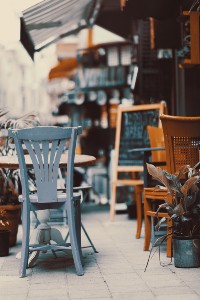
Display your menus and special offers on wall-mounted or freestanding chalkboards, with adequate lighting so customers can read it in the evening as well. It's a great way to increase impulse purchases and boost profits. - COMMUNICATION IS KEY
It is not enough to just have the proper sanitation procedures in place. You need to communicate your safety standards to customers transparently, so that you are perceived as a safe establishment. Promote your policy on walls or blackboards, and share it on social media - reassuring your guests will make them more likely to book.

Reduced Price

How to Reassure Customers and Staff
Preparing for a rainy day has always been an important consideration around alfresco dining. As such, it is wise to have some form of roofing or outdoor umbrellas for these areas. This is not just to shelter guests from inevitable weather changes, but also to encourage a higher sense of security during these uncertain times.
This includes the use of face masks for all restaurant, café and pub staff. Transparent masks make sure customers need not assume that waiters and bartenders are smiling politely at them. The fact that fabric and plastic masks can hide a smile has been quite hard-hitting for a hospitality industry that thrives on warm welcomes.
More so, transparent masks are more inclusive to people living with disabilities. "You don't realise just how much people who are hard of hearing listen with their eyes," explains Pascale van der Belen, director of the association Info-Sourds. Indeed, many see to listen. Besides, beyond lip-reading, customers need to see smiles and facial expressions too.
Christmas Vibes Despite the Pandemic
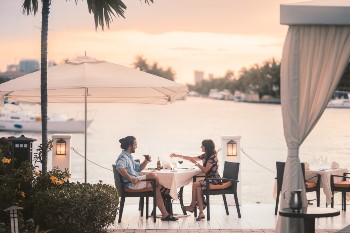
Despite the turbulent year we've had, and the lingering ambiguity that lies ahead, the holiday spirit must endure.
It is more important for customers to feel that they are getting their value for money than ever before. Simon-Kucher & Partners believes consumers will be more conscious of how and where they spend their money post-Covid-19.
The 'willingness-to-pay' levels will return to similar or even higher levels after the work-from-home option is over. Yet, customers seem ready to spend more on dinner, boiling down to missing instances of connection and seeing eating out as an event.
The same report by Simon-Kucher & Partner reveals that consumers want to spend more on healthy food, such as salads. This, because stay-at-home orders have trained a healthy-eating psyche.
Creating the right atmosphere is also part of the Christmas feeling. Lighting design — especially above outdoor seating areas at the front of any restaurant — plays a huge role in attracting customers. Think outdoor Christmas lights, Christmas baubles, and Christmas cakes.
Using outdoor Christmas decorations, stuffed animals, mannequins and mini greenhouses are all opportunities to render your social distancing practices a bit more festive than the usual plexiglass barriers. It's also highly 'Instagrammable', allowing for some heightened word-of-mouth and referral on social platforms.
Let's also not forget what the charm of reviving entertainment in your outdoor space can do for your footfall – especially during Christmas time. Whether it's stand-up comedy, a music band or a little magic show, anything is welcomed to lift spirits.
TIP: Offering a full takeaway menu is a great way of further boosting revenue and appealing to those customers who aren't in the mood to eat out. Consider using BioPak as a safe, secure and cost-effective way to package all your main meals for carry-outs or delivery. Find everything you need in this complete catering disposables collection.