
Commercial Glass Washer Buying Guide
Capable of washing and rinsing hundreds of glasses every hour, a commercial glass washer is invaluable for any business dealing with a high volume of drinks orders. Pubs, bars, clubs and hotels are just a few of the venues needing to wash huge quantities of glassware quickly and efficiently.
Unlike a dishwasher, glass washers are designed solely for use with glassware - they combine speed, performance and care to produce sparkling results. But there are a number of important things to consider before buying one for your bar. From model, size and load capacity to installation, water supply and quality, this buying guide has all the information you need.
VIEW ALL GLASS WASHERSAbout Glass Washers
A glass washer is designed specifically for use with glassware. Most commercial glass washers can wash and rinse a full rack of glasses in less than two minutes - perfect for keeping up with the fast pace of any busy bar area.
As well as a fast wash speed, glass washers can be stored easily under counters. This allows you to position them close to your front of house or serving area for the quickest of turnarounds. For optimum efficiency, it is recommended to have at least two glasswasher racks per machine - while one rack is in the machine, the others can be loaded ready for the next cycle.
You should not use a commercial dishwasher in place of a glasswasher. While dishwashers can clean anything from crockery and cutlery to pots and pans, they do so at a higher heat that could damage delicate glassware. Glass washer cycles are also faster than dishwashers, which is essential for businesses where demand for drinks is consistently high.
Some specialist warewashers are designed with settings that can be adjusted to wash both plates and glasses. But if your primary focus is drinks, a commercial glass washer is a more affordable alternative that offers a higher output for a lower price.
Browse All Glass WashersThings to Consider When Buying a Glass Washer
DEMAND
How many glasses do you use every hour? Assess how many drinks you serve on average during your busiest periods, and make sure you choose a glass washer that can keep up with your demand. A smaller model will wash around 450 to 500 glasses per hour, while the quickest and most powerful units can get through up to 1,800 glasses in the same amount of time.
SPACE AND INSTALLATION
Make sure you assess the available space in your venue. As well as the dimensions of the machine, remember to check you have enough room to fully open the door without causing an obstruction. Ideally you should position your glass washer as close to your serving area as possible. This will minimise the time between each wash cycle, helping you load and unload racks quicker.
DRAINAGE
Much like dishwashers, a commercial glass washer will drain using either gravity or a drain pump. Check the location of your drain standpipe. If it's lower than the machine's waste outlet, gravity-assisted draining will be fine. However, if your glass washer's waste outlet is lower than the drain standpipe, you'll need a machine with an integral drain pump.

WATER SOFTNESS
Limescale can quickly build up on internal components which will have a big impact on your glass washer's performance and efficiency. In extreme cases, or if not treated, it could cause the machine to fail - this would lead to expensive repairs not covered by the manufacturer's warranty.
If your premises are in a hard water area, choosing a glass washer with an integral water softener is vital. These built-in softeners will break down and remove the calcium carbonate in the water before it enters the machine.
TIP: If you're unsure about the hardness of your water, contact your water supplier and ask them about the water quality in your location. They will advise you on whether a water softener is absolutely necessary.


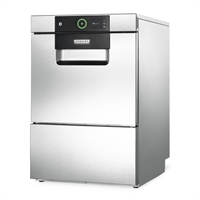
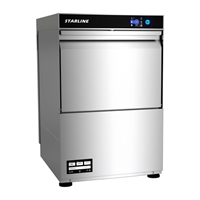


Types of Glass Washer
There are three main types of commercial glass washer to choose from, depending on your venue's requirements. Is your sole focus on drinks, or do you serve food too?
GLASS WASHER
The best choice if your business is all about the drinks. These classic commercial glass washers use wash cycles specifically for cleaning glassware. Rotating wash systems ensure each glass is cleaned from top to bottom, delivering a sparkling finish within a couple of minutes. They are front-loading with space-saving undercounter designs.
GLASS WASHER and LIGHT DUTY DISHWASHER
These high output machines are perfect for bars, cafes or coffee shops requiring additional washing capacity during busy hours. Used primarily as a glass washer, they can wash up to 960 glasses per hour but can also be used as a light duty dishwasher when required - a great backup to your main dishwasher when those dirty plates start to pile up.
WAREWASHER
These units are real all-rounders. You can adapt the washing power depending on the glassware or crockery you are loading. Use them as a glass washer or, with a simple switch of the settings, start working through those piles of dirty crockery.
TIP: Lipstick stains should be wiped off your dirty glasses before putting them into the glass washer. While these machines clean glasses thoroughly, they are not as powerful as a dishwasher so may struggle with tougher marks such as this.
Browse All Glass WashersBuying a Glass Washer - FAQs
What's the difference between a glass washer and a dishwasher?
Glass washers use different wash cycles that are kinder to delicate glassware. Dishwashers will reach higher temperatures which makes them more efficient at cleaning dirty crockery and other kitchenware, while glass washers have faster cycles at lower temperatures.
Can I use a glass washer as a dishwasher?
No. Glass washers operate at a lower temperature, so the cleaning results won't be as thorough or as sanitary if you try to wash your dirty dishes in it. An alternative would be to find a machine that has separate settings for washing glasses or plates. Also known as warewashers, these versatile units are available from many top brands such as Washtech or Winterhalter.
How many glasses can you wash in a glass washer?
Most commercial glass washers will clean a full rack of glasses in two minutes. Depending on the capacity of the machine, they can wash anywhere between 500 and 1,800 glasses every hour.
How does a glass washer work?
A glass washer is very easy to use. Simply load a full rack of dirty glasses and press the start button to begin the wash cycle. These machines use a more gentle water flow than dishwashers, but with just the right amount of pressure to clean glassware thoroughly. A full cycle takes around two minutes.
What temperature should a glass washer be?
Generally, the wash temperature should be around 55°C and the rinse temperature around 65°C. Check your machine's user manual for optimum temperatures before setting them. If your machine is too hot, you risk damaging your glassware. Too cool, and they may not be cleaned thoroughly.
Can you put all glasses in a glass washer?
Not all glasses are safe to put in a commercial glass washer. Sometimes, delicate glassware such as crystal is not suitable. Always check your machine's user manual for information on the types of glass you can or can't put in it.
TIP: Leaving the door of your glass washer open overnight will help to prevent a build-up of bacteria inside the machine.